Master Study Trip 2026: Insights, Innovation, Inspiration

Every year, our Master's students set off on a week-long trip to explore a European business destination. The study trip is organised by the students themselves in collaboration with the HSBA faculty and combines company visits, academic perspectives and cultural exchange. 

This year, three groups of students from the MSc Innovation Management programme travelled to Lisbon, Tallinn and Turin. They gained in-depth insights into regional economic issues, met representatives from a wide range of organisations, got to know the country and its people and together created an unforgettable experience.

Here are some highlights, lessons learned and impressions from their trips – many thanks to all participants, especially Zoé Reckhaus (Lisbon), Raul Rodriguez Cardenas, Antonia Vogt (Tallinn) and Lea Kaeser and Viktoriia Hryhorova (Turin) for their input and the great pictures!

A big thank you goes to all the companies that gave our students such a warm welcome, as well as to Jason Harman, Prof. Dr. Michael Höbig and Prof. Dr. Max Johns who accompanied the students. The study trip was supported by the Association of Friends and Sponsors of HSBA (VFF).

Lisbon: Countless new perspectives and one amazing week in Portugal

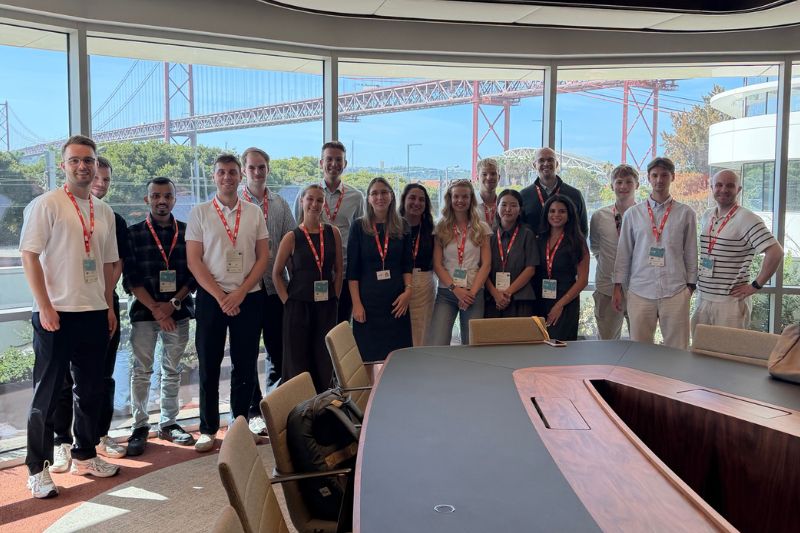
Across all 11 visits, we experienced very different perspectives on entrepreneurship, innovation, technology and business development, from early-stage start-ups and incubators to global companies, corporate venture capital and municipal initiatives.

Our journey started with Faro Boats, where we learned about their ambitious vision of developing solar powered luxury boats and the challenges that come with turning an innovative idea into a successful business.

At Tec Labs, we explored how tech start-ups are supported from their earliest stages through incubation and how ideas can be developed into viable businesses.

With Landing.jobs, we learned more about the Portuguese economy and labour market and gained a better understanding of the local job landscape.

We then visited a municipal startup hub and incubator, where we learned how Lisbon is actively working to attract and support start-ups while making use of existing infrastructure and contributing to urban development and the revitalization of the city.

At Cloudflare, we gained a closer look at cybersecurity, cloud infrastructure and the business model behind one of the world’s leading digital infrastructure companies.

Our visit to Galp gave us fascinating insights into their New Venture Capital activities, but also into how innovation can be approached in a structured and methodical way. We learned how innovation can be actively planned, evaluated and developed within an established company while creating space for new ideas and opportunities.

At Heden Workspaces, we met one of the founders, an architect, and explored how innovation can be driven even within an established profession like architecture. His journey showed us how much can be achieved by questioning established ways of working and pursuing new ideas with ambition and passion.

At VW Digital Solutions, we learned how digital products and services are developed for the Volkswagen Group and how technology plays an increasingly important role in the automotive industry.

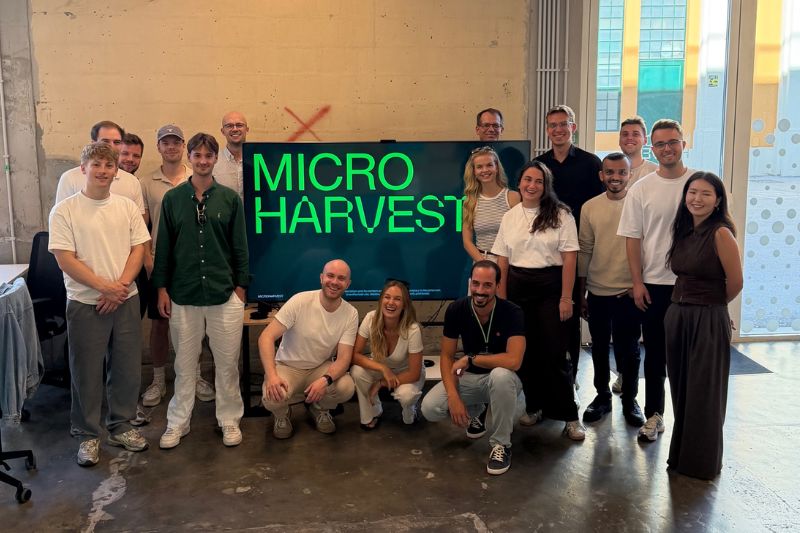
At MicroHarvest, we explored the world of biotechnology and learned about their innovative approach to alternative proteins and the potential of new technologies in this field.

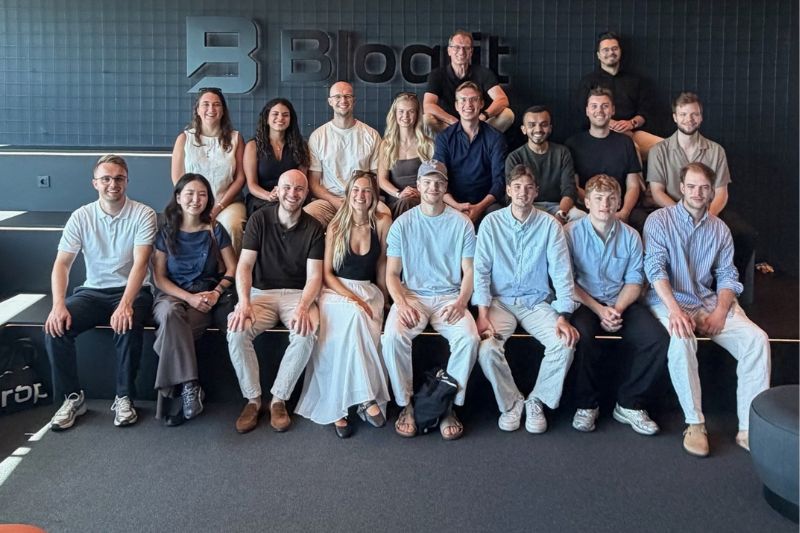
Our visit to Bloq.it showed us how technology can be used to rethink last mile delivery and develop new solutions for parcel logistics.

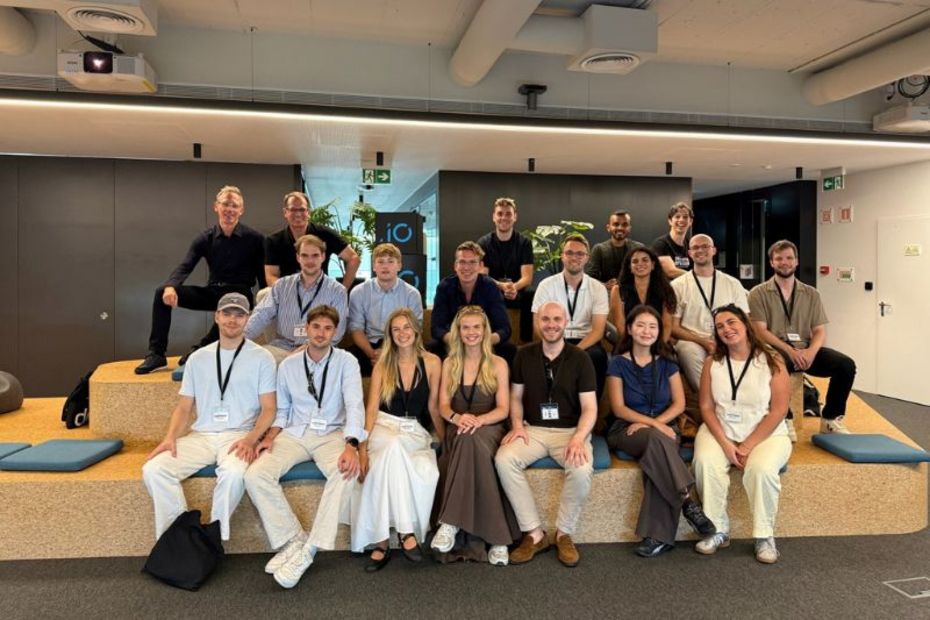
We wrapped up the week at Mercedes-Benz.io, learning how digital products, platforms and web experiences are developed for Mercedes-Benz and how these digital services complement the overall automotive experience.


Key takeaways:

• A strong startup ecosystem: Lisbon has built a remarkable network of incubators, hubs and initiatives that encourage young people to turn ideas into businesses.

• International by nature: We were surprised by how international Lisbon’s business ecosystem is, with people from all over the world working together in local and global companies.

• Innovation in challenging times: We saw how economic challenges can also create opportunities to rethink existing approaches, drive innovation and pursue new business opportunities.

• Making the most of what you have: One of our biggest takeaways was the mindset of using existing resources, infrastructure and opportunities to create something new and impactful.

• The courage to try: From start-ups to established companies, we saw that innovation often starts with simply taking the first step, testing an idea and being willing to learn from both successes and failures.

Tallinn: Insights into Estonia’s digital and entrepreneurial ecosystem

During our study trip to Tallinn, we had the opportunity to visit a diverse range of innovative companies and organisations and gain insights into Estonia’s digital and entrepreneurial ecosystem:

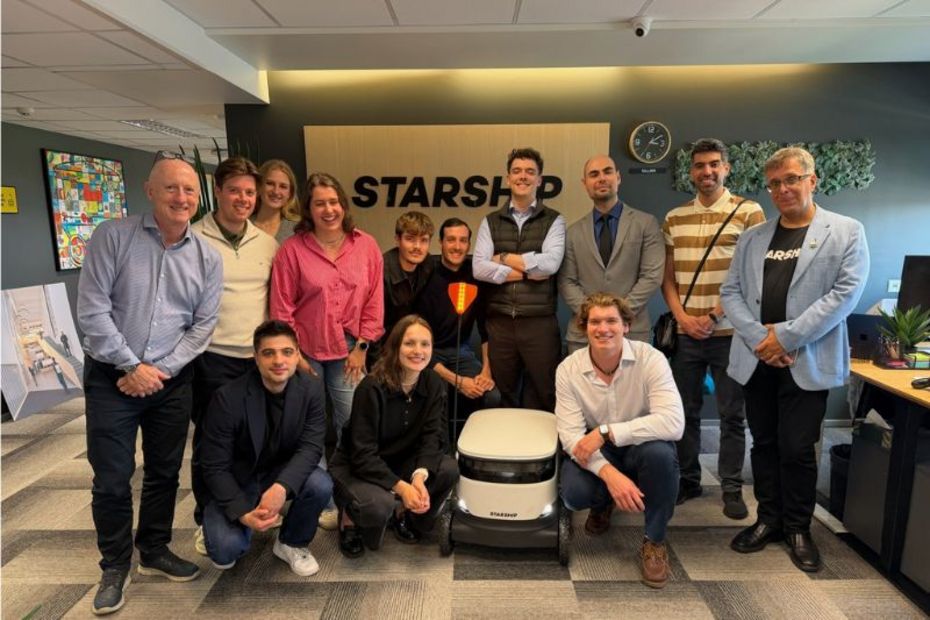
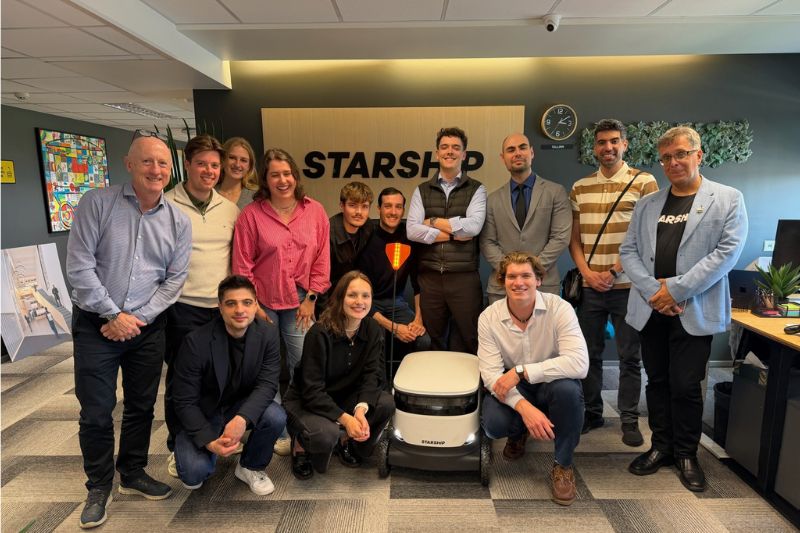
At Starship Technologies, we learned about autonomous last-mile delivery and why the final mile remains one of the most challenging and resource-intensive parts of logistics. Starship develops autonomous delivery robots for groceries, food and packages.

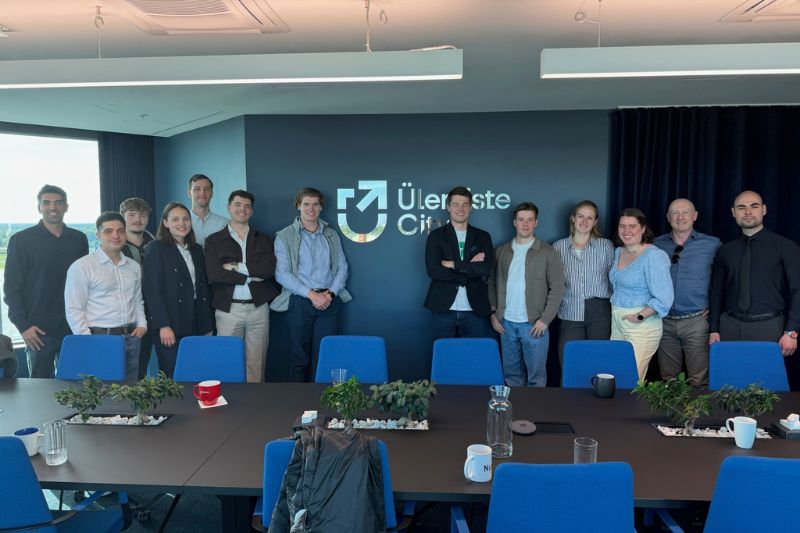
We visited Ülemiste City, one of the leading technology and business hubs in the Baltics. The smart-city ecosystem brings together hundreds of companies and combines business, technology, innovation and urban development.

At ELMO, we experienced their remote-driving technology first-hand and were even able to remotely drive a real car ourselves. We learned about their vision of using teleoperated vehicles for the delivery of both people and goods.

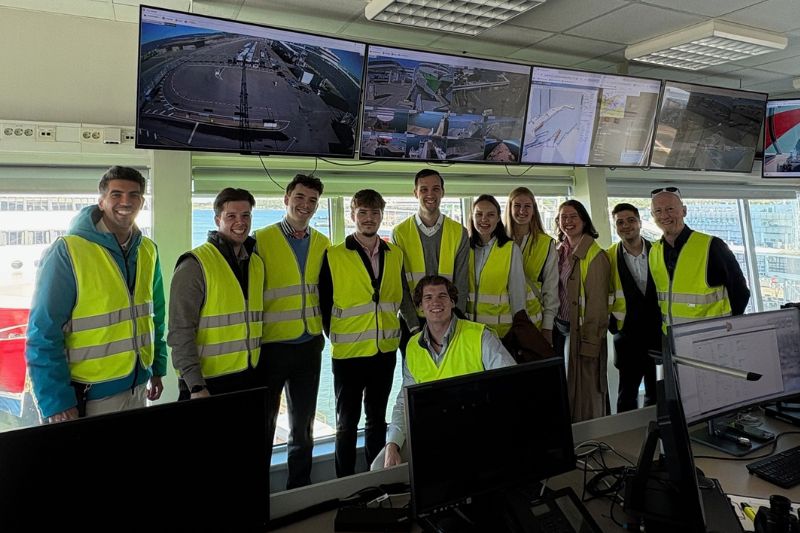
At the Port of Tallinn, we explored a new logistics concept connecting Tallinn and Lübeck. In a workshop, we worked on the concept and discussed how the logistics setup could be further optimised.

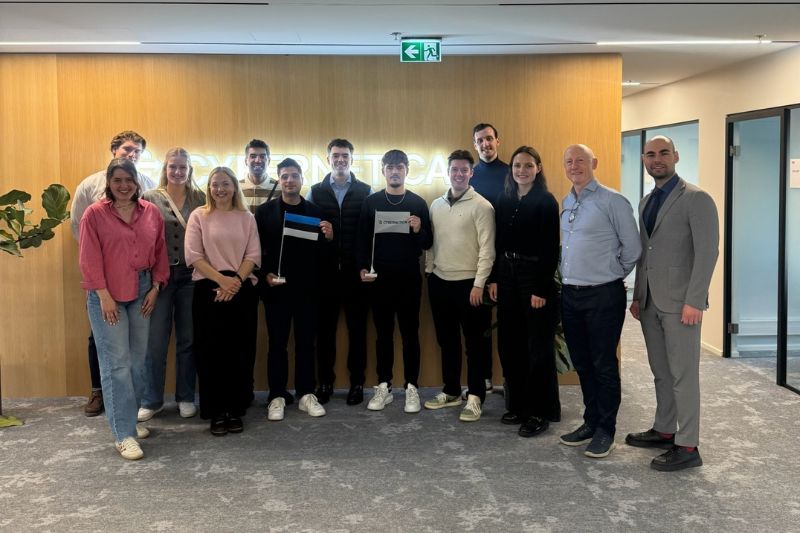
In addition to these visits, we explored Coop Pank, where we learned about digital banking, customer experience and UX, and Cybernetica, where we gained insights into data, digitalisation and secure digital infrastructure.

We also spent time at the Estonian Business School, learning more about entrepreneurship and business education in Estonia, andvisited the German Embassy, where we had the chance to discuss current geopolitical challenges.

Turin: Exploring industries from football and automotive to aerospace

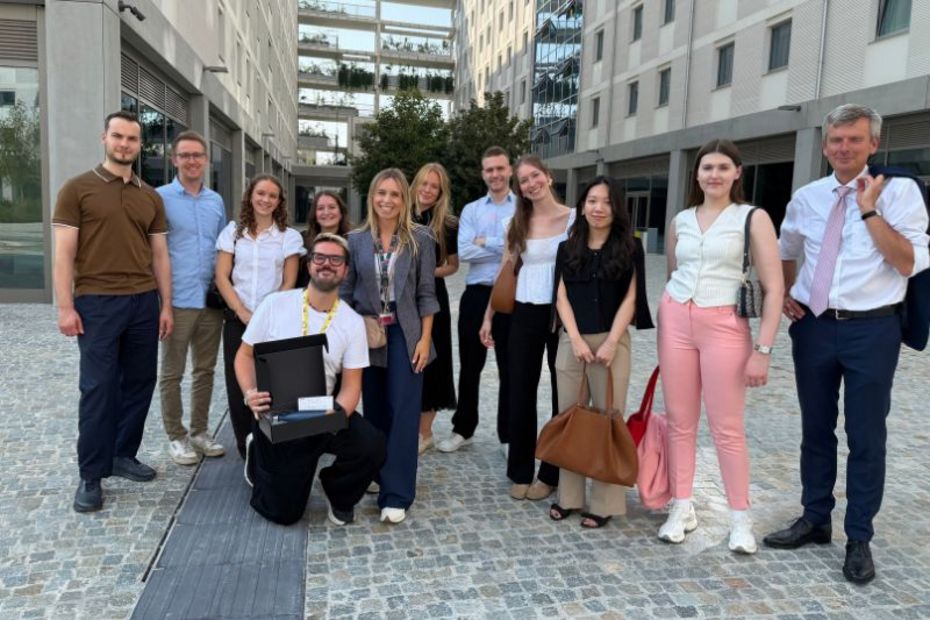
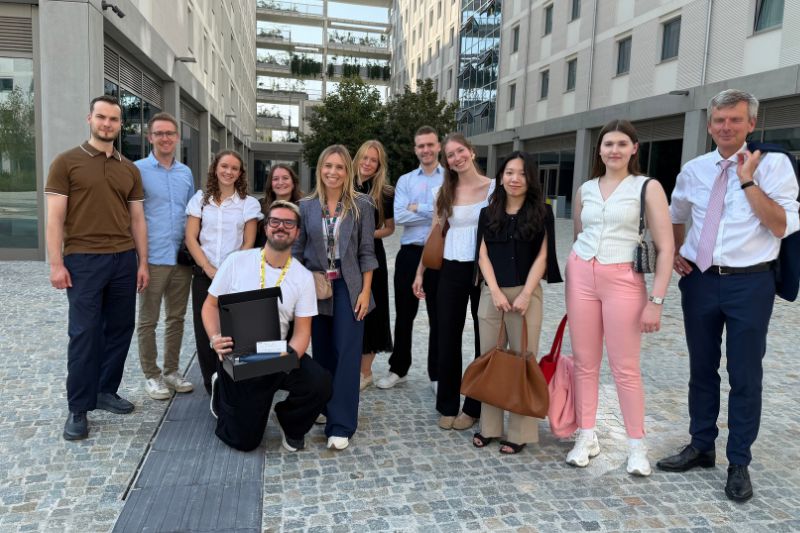
During our one-week trip to Italy, we had the opportunity to explore a wide range of innovative industries. In total, we visited nine companies, gaining valuable business insights and engaging in interesting discussions along the way. It was a truly memorable experience, and we are very grateful for the warm welcome we received from all our hosts.

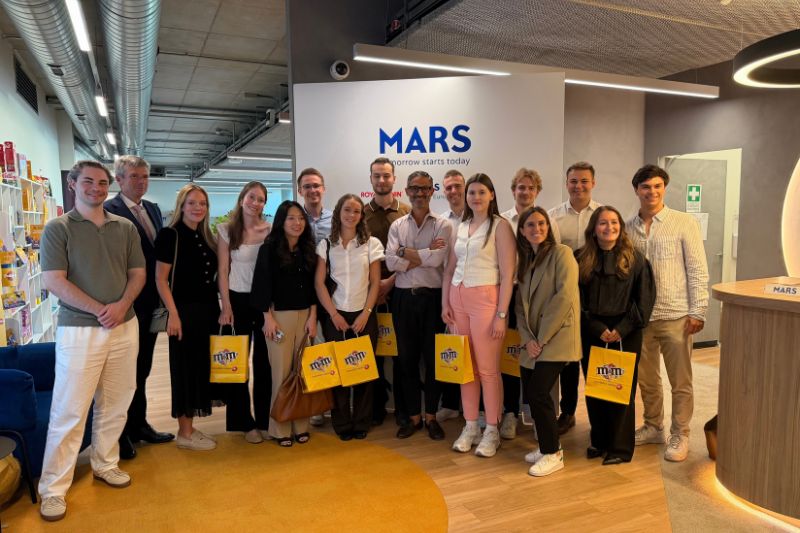
A particular highlight of our trip was our visit to the Mars office in Milan. During the visit, we learned more about the company's business structure, including its pet care and snacking divisions, and their contribution to the overall business. We also gained interesting insights into the South European cluster, the characteristics of the Italian market and the importance of local category management. It was particularly exciting to hear about the successful launch of TrüFrü in Italy.

Thanks to the wonderful team at Porsche Consulting, we realized how attractive a consulting career can be, with its strong customer focus and international opportunities. We saw how broad their work is, from industrial to consumer goods, and got a glimpse into automotive business and its future.

Thales Alenia Space, a global space manufacturer, was somehow truly unique. We learned how a rover is developed in a fully sterile environment before being deployed on Mars to search for potential signs of life. Their insights into the organization of the International Space Station and the impact of geopolitics on the space industry gave us a whole new perspective.

At Juventus Football Club, we had the opportunity to talk to their Innovation Manager. She spoke about Juventus' collaboration with start-ups in areas ranging from health to technology, a model that benefits both sides. It showed us Juventus from a new perspective. Their rebranding towards an identity that reflects today's spirit also inspired us to think more boldly.

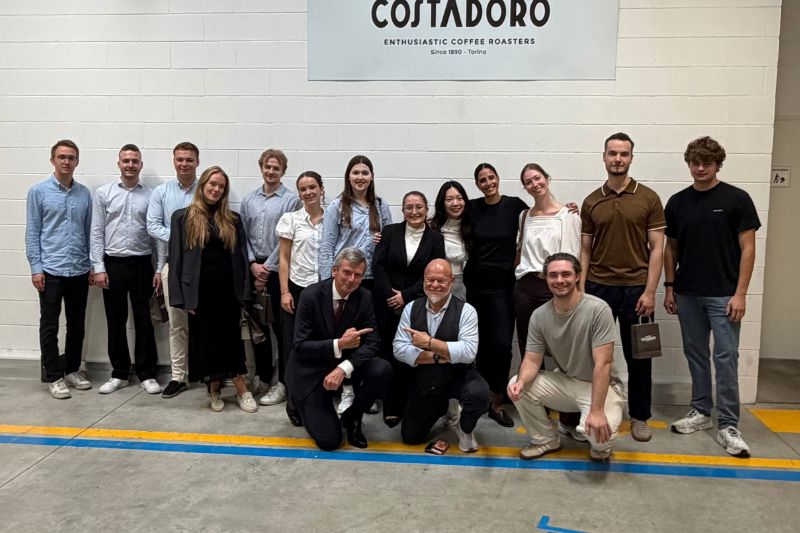
During our visit to Caffè Costadoro, we learned how a family-run business, led by three families, combines long-standing heritage with a sustainable coffee supply chain, high-quality processing and customer support from every angle. A wonderful heritage worth tasting!

We also visited Eoliann, a climate tech company that uses satellite imagery and AI to assess the risk of exposure to natural disasters. During our visit, we gained insights into launching a start-up and the future outlook of a growing business. Based at OGR Torino, an innovation hub for start-ups, you could feel the enthusiasm and lean approach throughout the building.

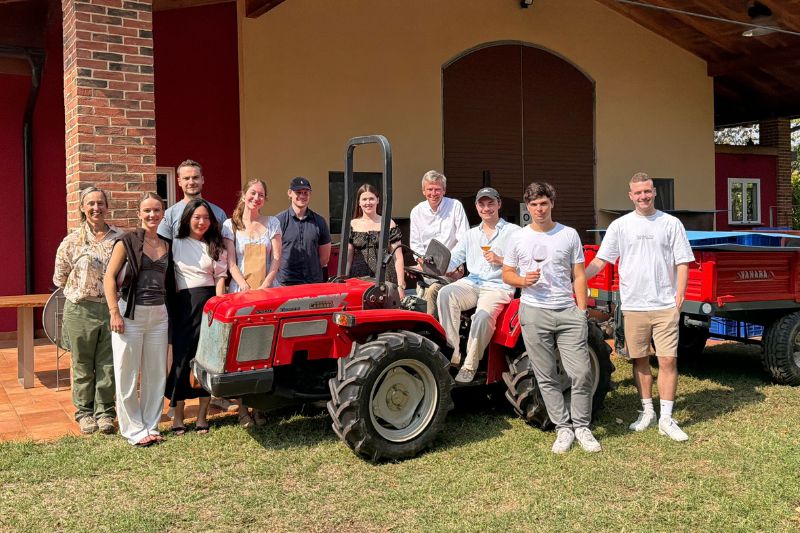
We also had the opportunity to visit Convivio and Vignaiole Prever. These visits gave us additional insights into Italy's food and wine industry and highlighted the importance of combining tradition, quality and innovation.